Industry Insights
3D Food Printing: Precision Nutrition and Personalization
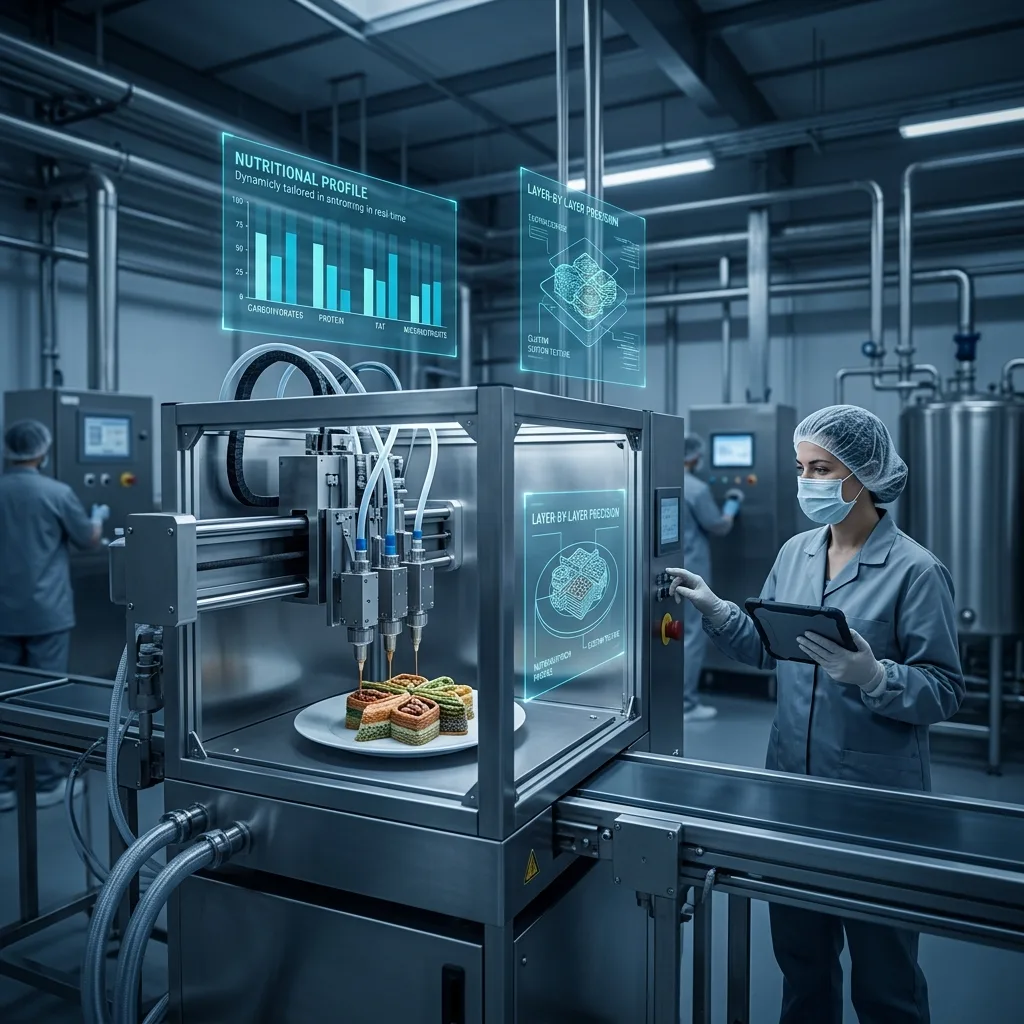
3D food printing enables personalized nutrition impossible with traditional manufacturing, from therapeutic hospital meals to athlete-specific formulations.
4 min read
Explore our latest insights and updates in Industry Insights.
3D food printing enables personalized nutrition impossible with traditional manufacturing, from therapeutic hospital meals to athlete-specific formulations.
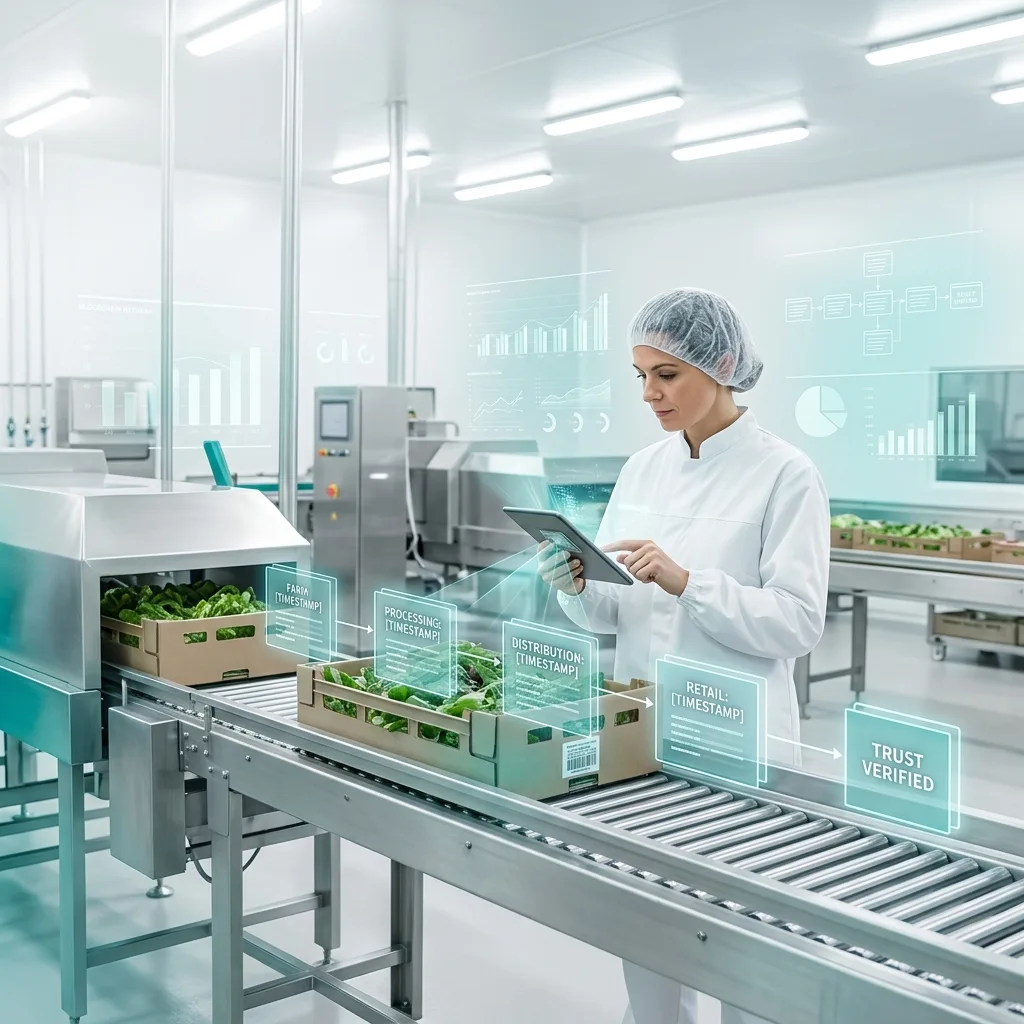
Blockchain traceability reduces contamination source identification from 5 days to 2 hours, cutting recall costs by up to $8M per incident.
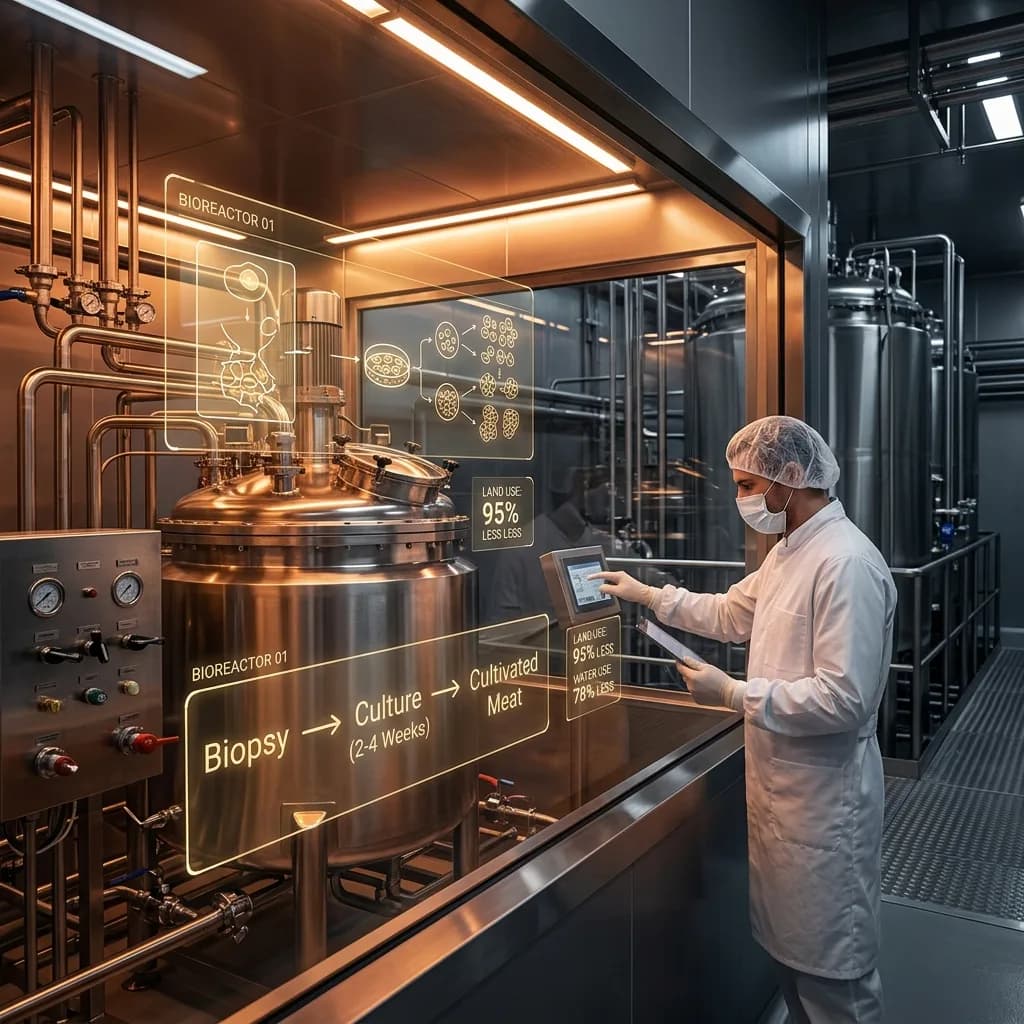
Cellular agriculture enables sustainable protein production with 95% less land, 78% less water, and 96% less carbon than conventional beef.
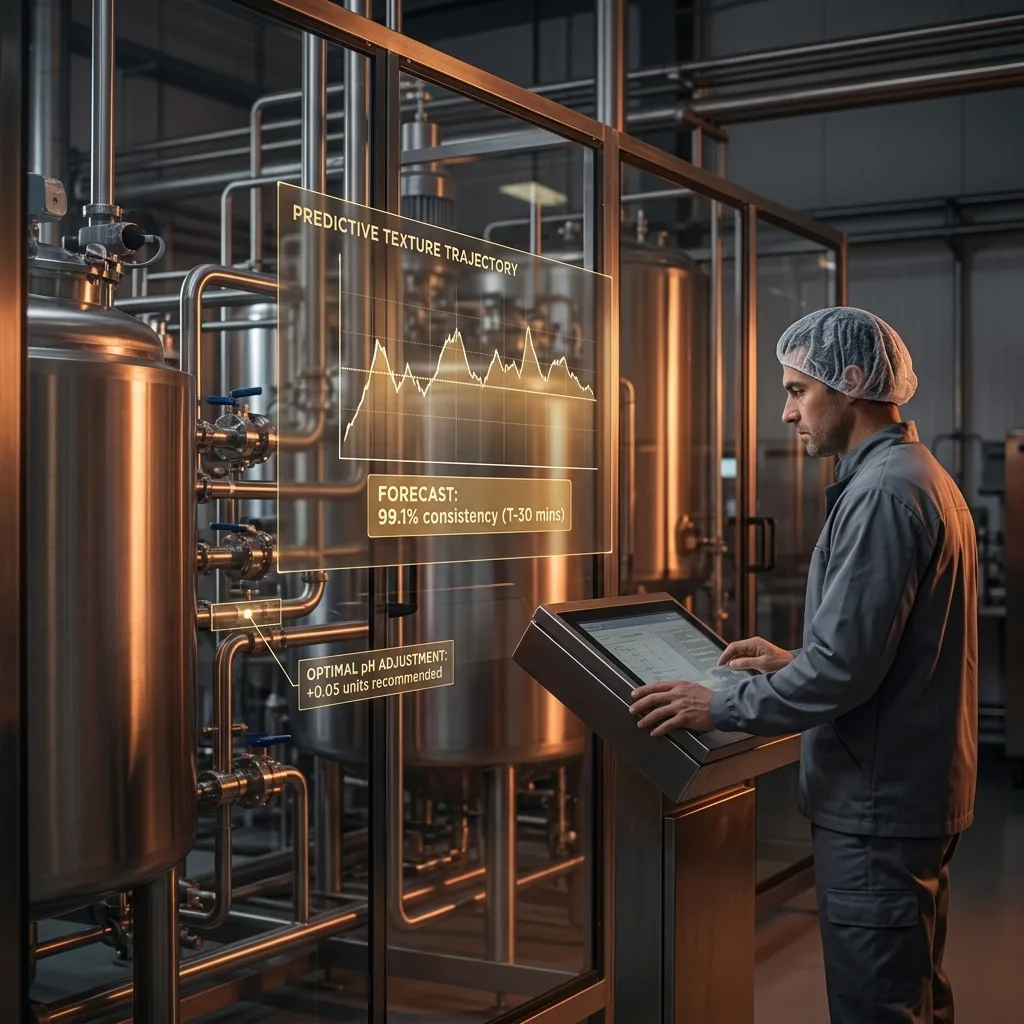
Machine learning models predict product quality 30-60 minutes ahead, enabling proactive adjustments that achieve 99%+ consistency.
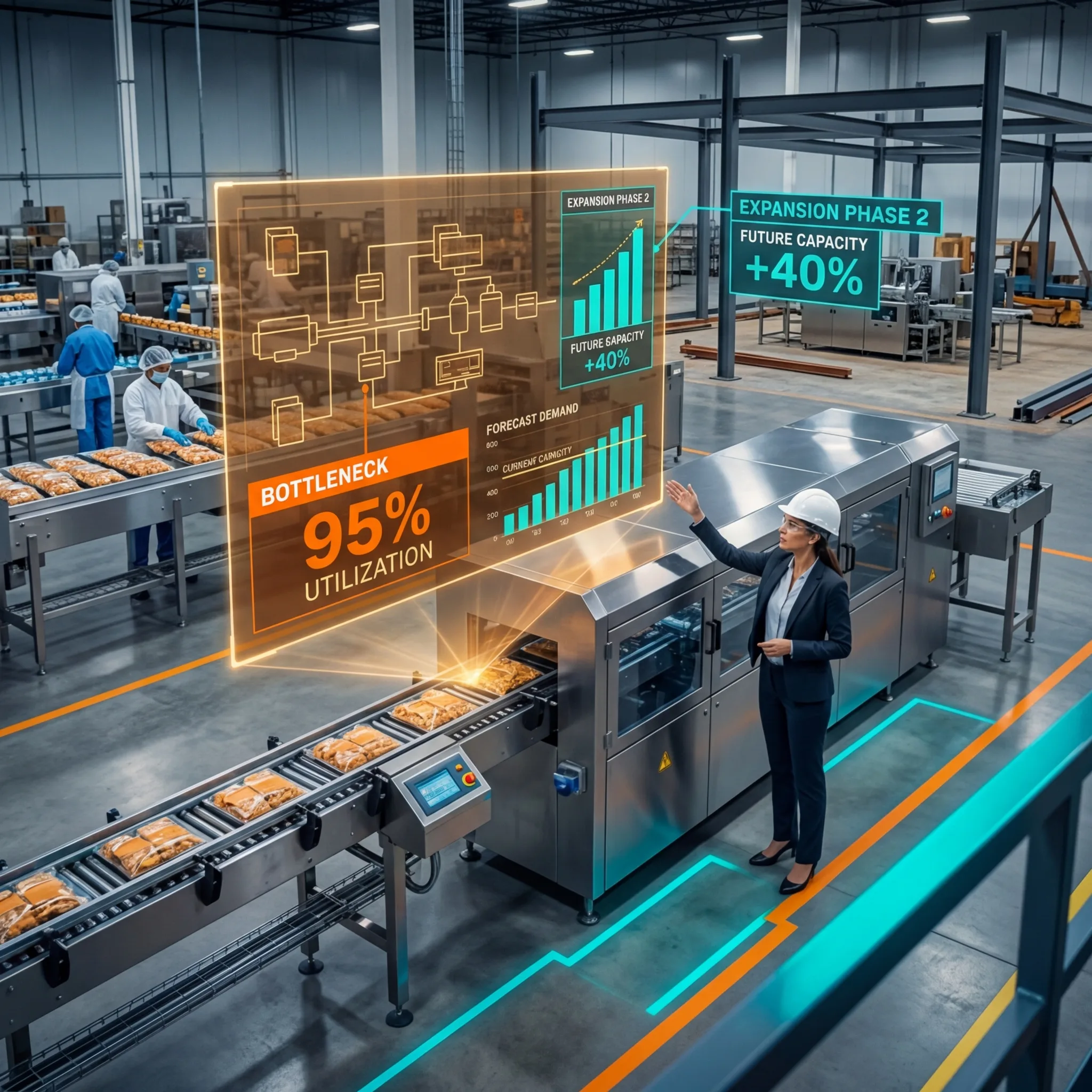
A food manufacturer growing 20% annually hits capacity constraints fast. Plan 18-24 months ahead to avoid bottlenecks delaying customer orders.
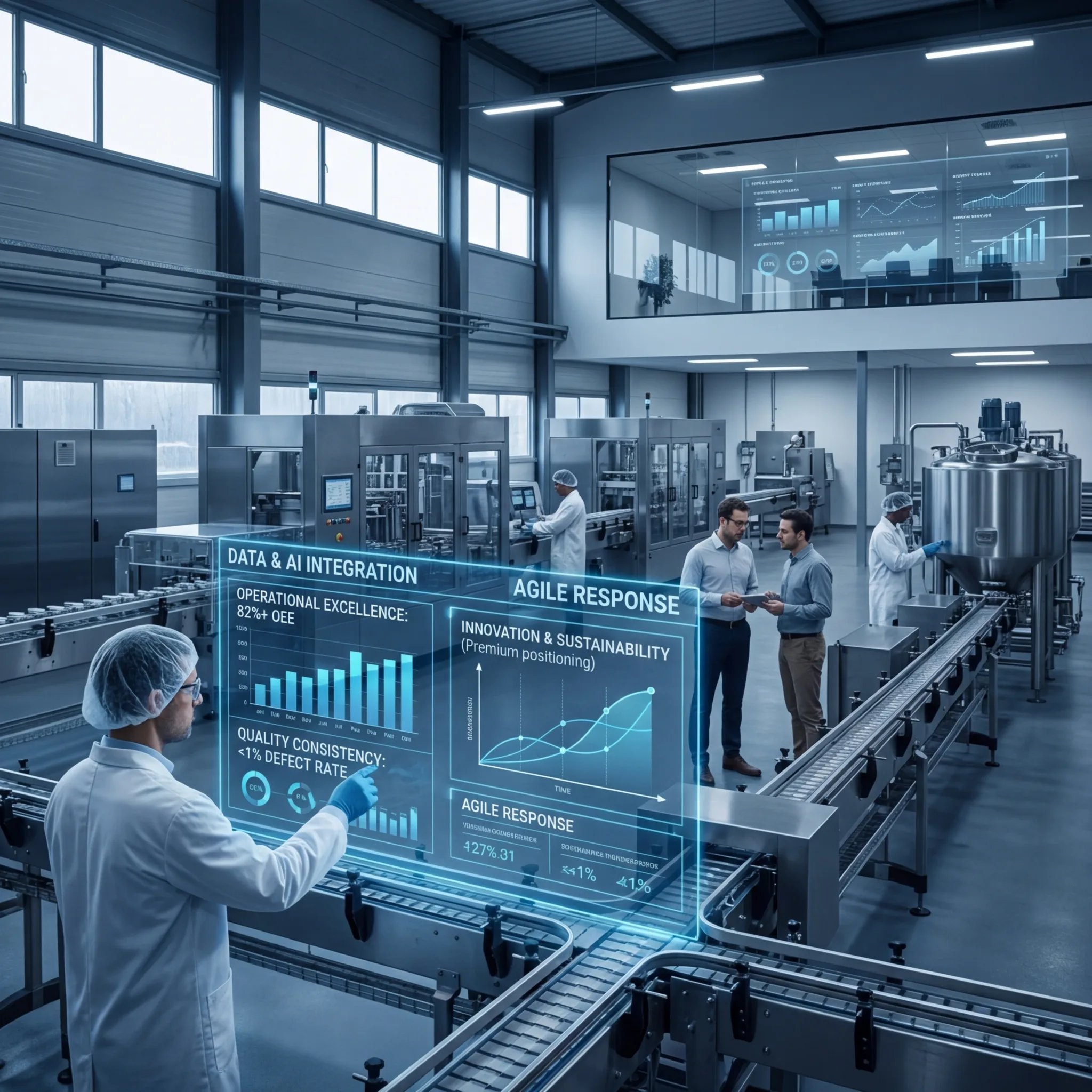
Companies navigating change successfully share five common characteristics. Here are the key success factors and emerging trends shaping food manufacturing in 2026.
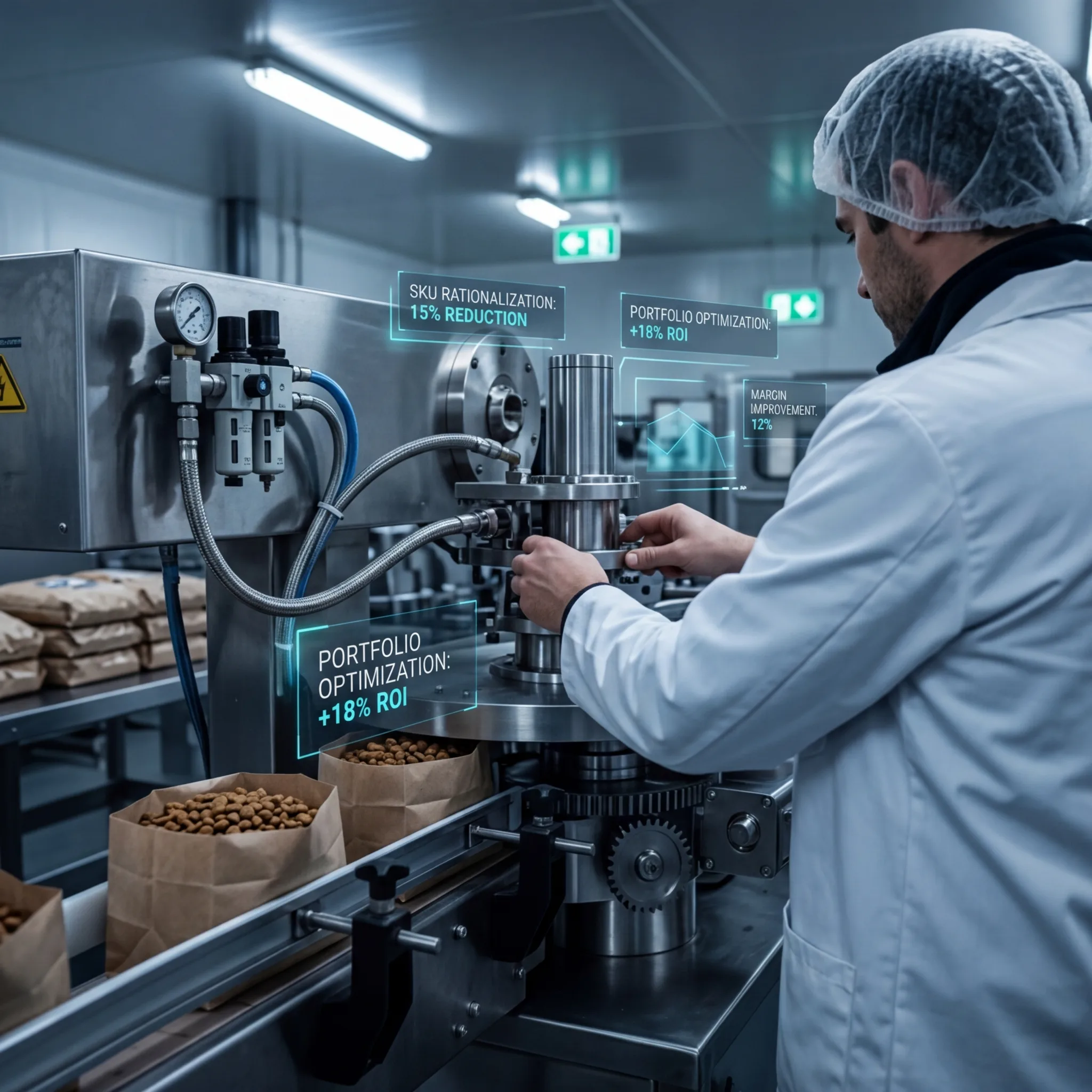
Only 20 of your 80 SKUs generate 80% of revenue. The remaining 60 cost $300K-$960K annually. Here's the rationalization framework.
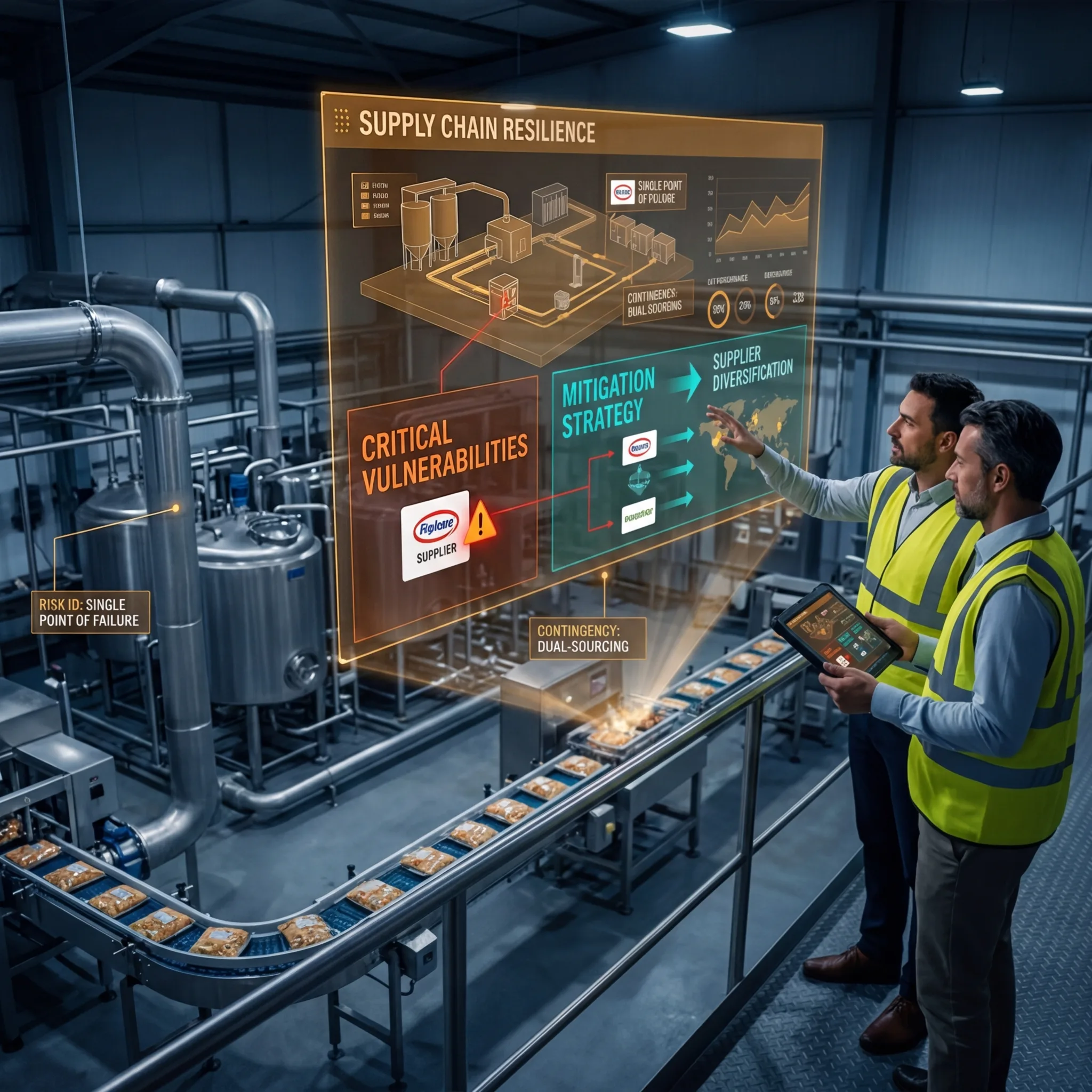
When a key supplier closes overnight, production halts in 48 hours. Build resilience through multi-sourcing, strategic inventory, and contingency planning.
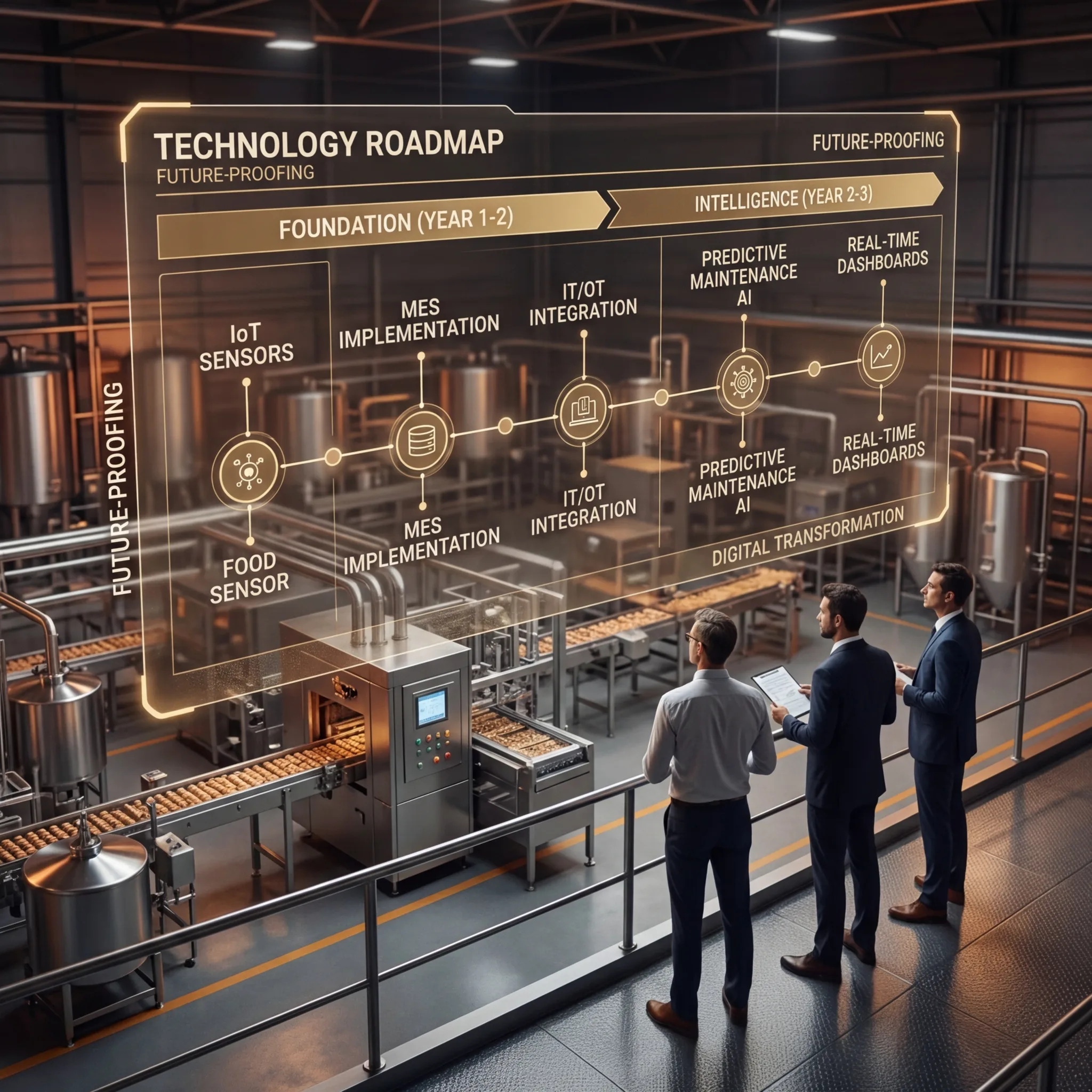
A competitor with AI-powered maintenance and automated quality achieves 4% higher OEE and 30% faster decisions. Digital transformation is competitive necessity.
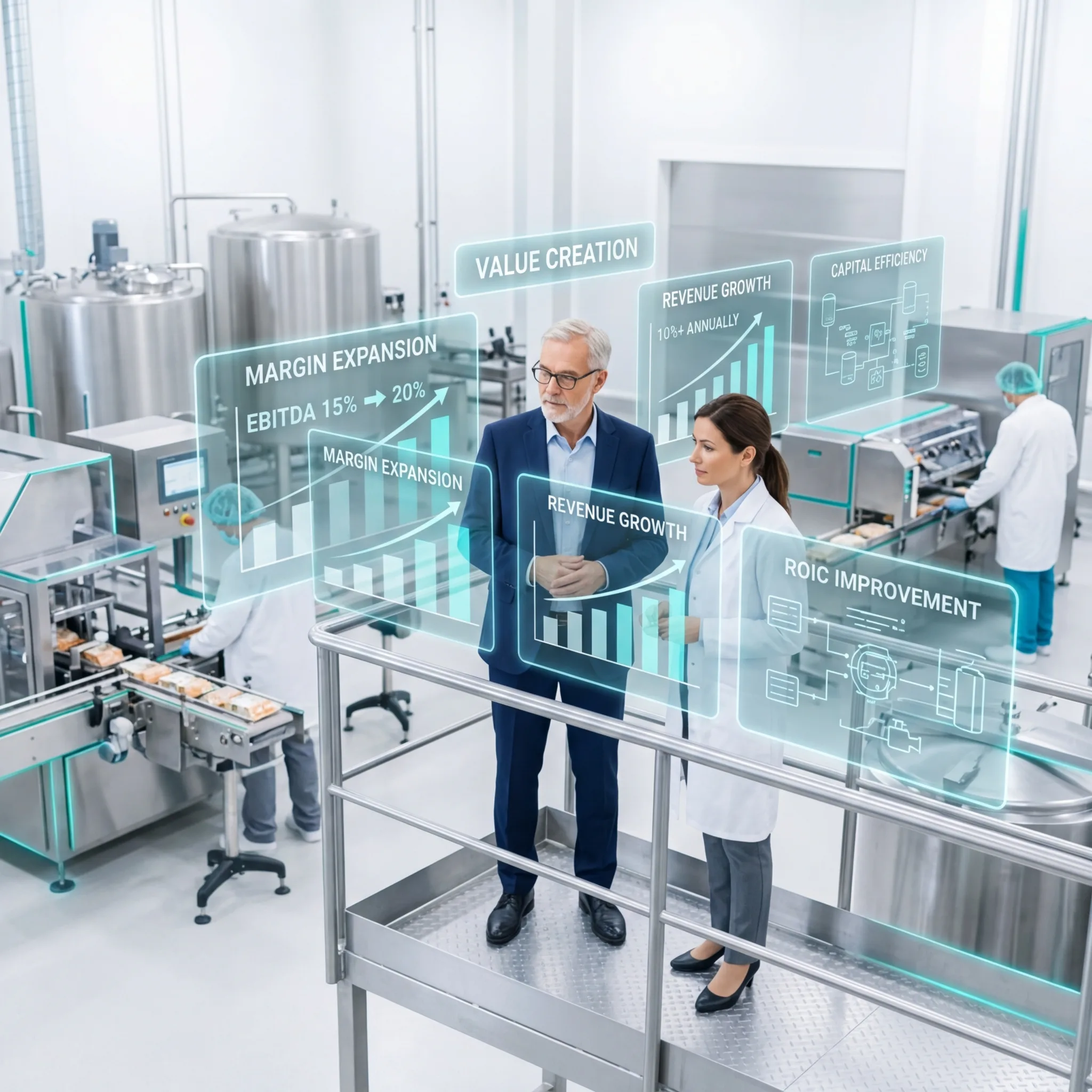
Three levers drive enterprise value creation for PE-backed food manufacturers. Here's the framework for margin expansion, revenue growth, and ROIC improvement.