Food manufacturing insurance premiums are determined by production volume, facility size, and risk profile. Risk profile is the variable PE firms can control.
Insurers assess risk through facility audits, loss history, regulatory compliance, and operational maturity. A facility with documented maintenance programs, strong food safety protocols, and low incident history pays lower premiums than a facility with spotty records and reactive operations.
The opportunity is clear: Operational improvements that reduce insurance risk can lower premiums 10-25%, creating direct EBITDA expansion.
How Insurers Evaluate Food Manufacturing Risk
Insurance underwriters focus on three variables:
Product liability risk: What's the probability of a recall? Facilities with strong preventive controls, good supplier quality management, and detailed traceability systems show lower recall probability.
Workplace safety risk: What's the probability of an employee injury? Facilities with documented safety procedures, regular training, and proactive hazard elimination show lower injury rates.
Property risk: What's the probability of facility damage or business interruption? Facilities with maintained equipment, updated electrical systems, and documented preventive maintenance show lower loss frequency.
The Documentation Advantage
Facilities that maintain comprehensive documentation—safety programs, maintenance logs, food safety certifications, audit records—receive better insurance rates. Why? Because insurers have data-driven confidence in risk profile rather than relying on assumptions.
This creates a PE opportunity: Implement comprehensive documentation and operational discipline early in the investment, then leverage the improvements when insurance policies come up for renewal.
Sanitation Program Impact
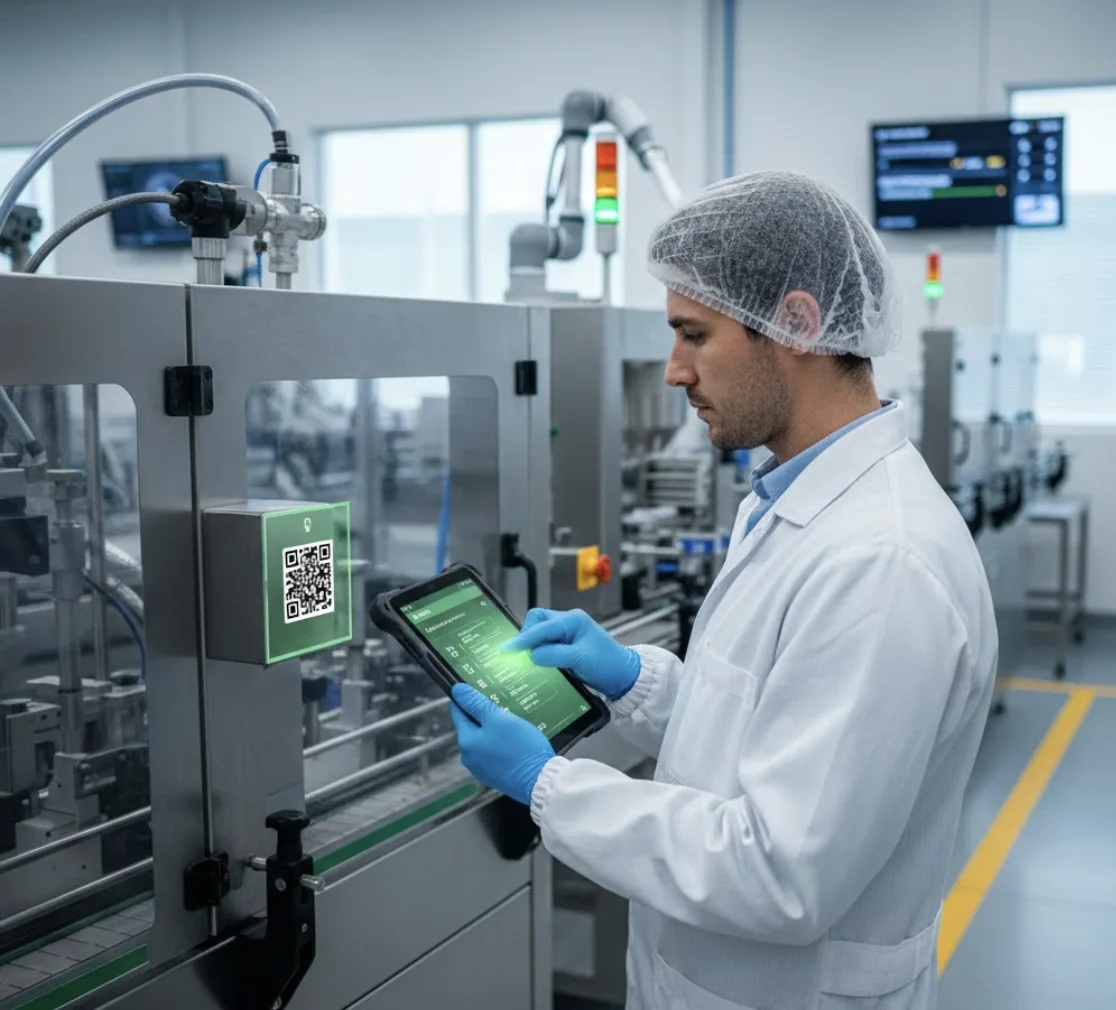
A specific example: CIP system automation and documentation. Automated CIP systems eliminate manual cleaning work, reducing hours of human exposure to harsh chemicals. They also maintain detailed logs proving consistent sanitation cycles.
Facilities with automated, logged CIP systems receive insurance rate reductions because chemical exposure risk and sanitation failure risk both decline.
The Claims History Factor
Insurers reward operational improvements by documenting reduced claims history. A facility that implements preventive maintenance and achieves zero downtime incidents in a 12-month period demonstrates lower risk than historical performance.
When the insurance policy renews, the underwriter references recent performance history, not just historical claims data. This is the moment PE firms capture premium reductions.
The Financial Impact
For a $50M revenue food manufacturing facility, total insurance (general liability, product liability, property, workers comp) typically represents 1-2% of revenue. That's $500K-$1M annually.
A 15% premium reduction through operational improvements = $75K-$150K annual savings. This flows directly to EBITDA, improving investor returns.
The PE Strategy
Year 1 post-close: Implement operational improvements (maintenance programs, CIP automation, safety protocols, traceability systems). Document everything.
Year 2 policy renewal: Present underwriter with 12 months of operational performance data. Request updated risk assessment. Negotiate lower premiums.
Year 3+: Continue demonstrating low-risk operations. Maintain premium reductions.
For PE firms investing in food manufacturing, working with insurance brokers to identify risk-reduction opportunities creates meaningful post-close value beyond operational EBITDA improvements.