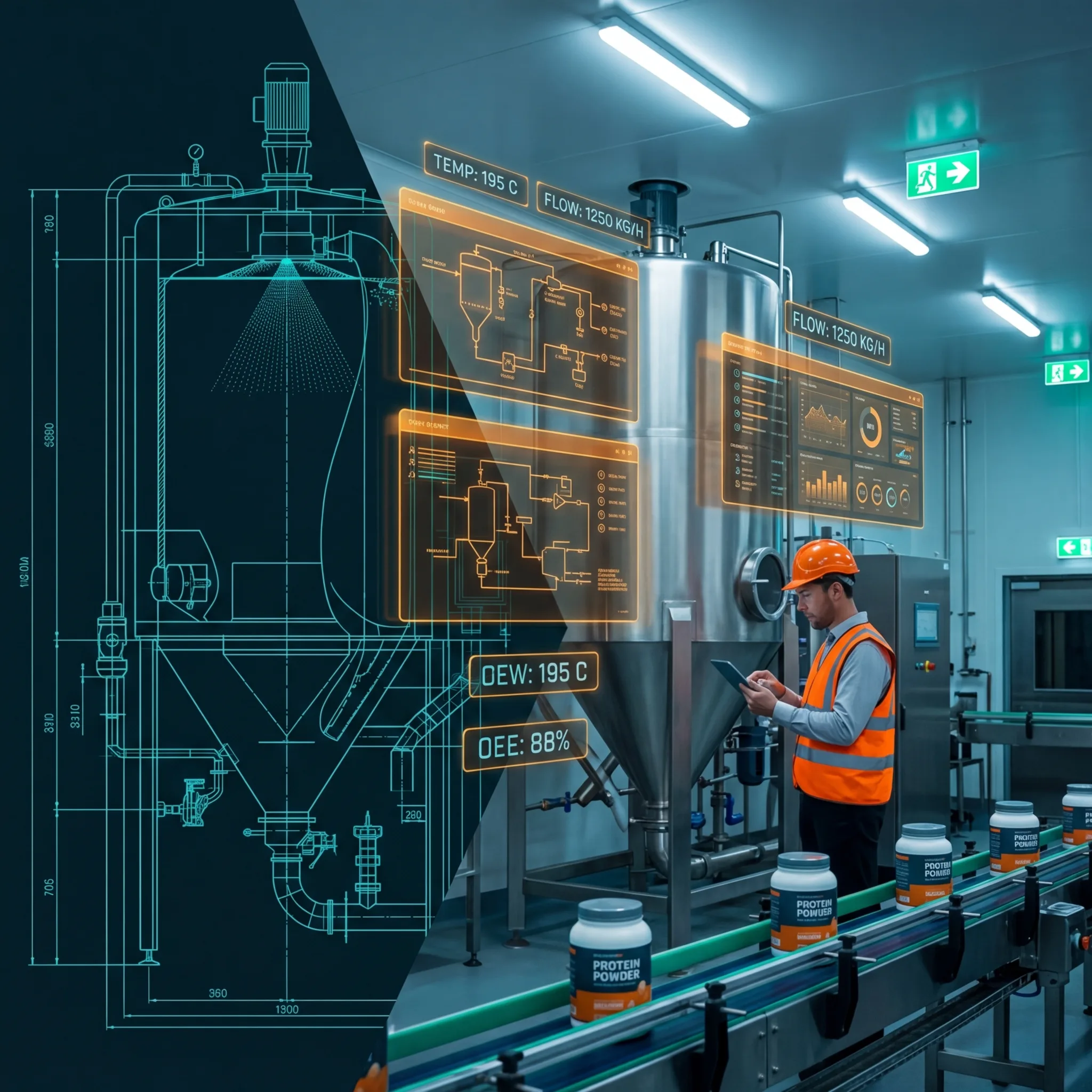
A plant manager checks on facility performance Wednesday morning. The monthly production report shows: Throughput 98% of target, OEE 72%, Yield 94%.
Good performance, superficially. But the manager has no idea:
- Which production line is underperforming?
- When did performance decline during the month?
- What caused the 6% yield loss this month vs. last month's 2%?
Monthly reports are too late and too aggregated. By the time the manager sees the report, the opportunity to fix problems has passed.
Progressive manufacturers use operational dashboards—real-time visibility into performance metrics enabling immediate problem identification and corrective action.
The Dashboard Design Framework
Tier 1: Shop Floor Level (Production Supervisors)
- Real-time OEE by line (updated every hour)
- Current shift production vs. shift target
- Active quality issues/holds
- Maintenance alerts and requests
- Displayed on plant floor monitors (not locked in software)
Audience: Shift supervisors, operators Frequency: Updated hourly or in real-time Purpose: Enable immediate corrective action
Tier 2: Facility Level (Plant Manager)
- Daily production report (volume, efficiency, quality, safety)
- Weekly rolling KPI trends (7-week view)
- Equipment downtime summary
- Labor productivity
- Energy consumption
Audience: Plant manager, operations team Frequency: Updated daily Purpose: Track overall facility performance
Tier 3: Executive Level (PE Corporate)
- Monthly facility scorecard (vs. budget, vs. plan)
- Quarterly trends (4-quarter rolling view)
- Variance analysis (vs. prior year, vs. peer facilities)
- Key operational alerts
- Capital project status
Audience: PE corporate, CFO, board Frequency: Updated monthly Purpose: Strategic performance tracking
The Dashboard Data Integration
Effective dashboards require integration of multiple data sources:
Equipment Data:
- Production equipment sensors (speed, temperature, pressure)
- SCADA/controls systems (cycle times, automation status)
- Maintenance management systems (downtime, repair history)
Quality Data:
- Lab testing results (composition, safety parameters)
- Visual inspections (appearance, packaging)
- Customer feedback (complaints, returns)
Operations Data:
- Production schedules (planned vs. actual)
- Labor management systems (hours, staffing)
- Inventory management (raw materials, finished goods)
Financial Data:
- Actual production cost (vs. standard)
- Labor hours (vs. standard)
- Utility consumption
The Dashboard ROI
Investment:
- Software platform: $50K-$100K (enterprise) or $10-20K (cloud)
- Data integration: $50K-$100K
- Initial training: $10K
- Annual maintenance: $20-30K
Benefit:
- Downtime reduction: Visible problems identified in minutes vs. hours = $200K-$500K annually
- Efficiency improvement: Real-time coaching to operators = $100K-$200K annually
- Quality improvement: Early detection of trends = $50K-$150K annually
- Decision speed: Faster response to issues = $100K-$200K annually
Total annual benefit: $450K-$1,050K Payback: 6-12 months
The Implementation Path
Phase 1 (Month 1-2): Define critical metrics by audience; integrate equipment data Phase 2 (Month 3): Deploy shop floor dashboards; train supervisors Phase 3 (Month 4): Deploy facility dashboard; train plant manager team Phase 4 (Month 5-6): Deploy executive dashboard; begin routine reporting
For food manufacturing companies, implementing real-time operational dashboards accelerates problem identification, enables data-driven decision-making, and delivers strong ROI through improved efficiency and downtime reduction.