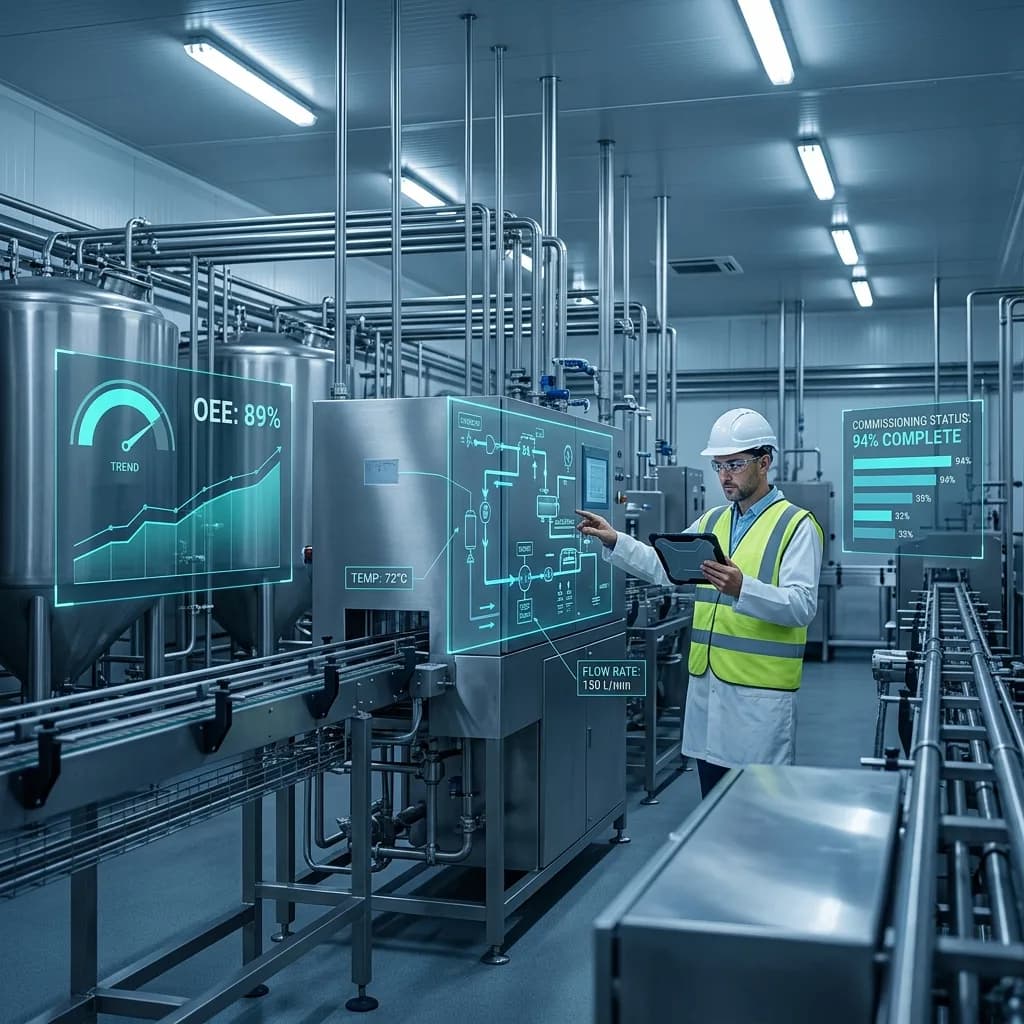
Food manufacturing construction projects commonly experience 15-30% cost overruns. A $1M CIP system upgrade becomes $1.3M. A $500K facility expansion becomes $625K. These overruns compress margins and delay value realization.
Why does this happen? Scope ambiguity. Unforeseen site conditions. Equipment lead-time delays. Change orders issued during execution. The solution isn't hoping for accuracy—it's structural protection.
The Design-Build Advantage
Traditional project delivery separates design from construction. The designer (architect/engineer) develops plans. The contractor bids and builds. This creates misalignment: designers specify without worrying about cost; contractors build without input into design decisions.
Design-build combines these roles. One entity designs AND builds, creating accountability for budget accuracy. Research shows design-build projects experience 50% fewer change orders than traditional delivery. For food manufacturing, this is critical because site conditions (electrical capacity, drainage infrastructure, utility locations) are often unknown until excavation begins.
With design-build, these conditions are discovered during design phase, not mid-construction when changes cost 2-3x more.
The Fixed-Price Protection Strategy
Demand fixed-price contracts for clearly defined scopes. A $250K separator installation should have fixed equipment cost, fixed installation labor, fixed contingency. Anything outside that scope requires explicit change order approval before work begins.
Contingencies should be categorized by risk level:
- Mechanical equipment: 5% fixed
- Electrical/refrigeration: 20% fixed (site-specific)
- Excavation/utilities: 25% fixed (unknown conditions)
- Controls integration: 15% fixed
This categorical approach prevents contractor claims that "we couldn't have known that" without pre-approval mechanisms.
As-Built Drawings = Cost Control
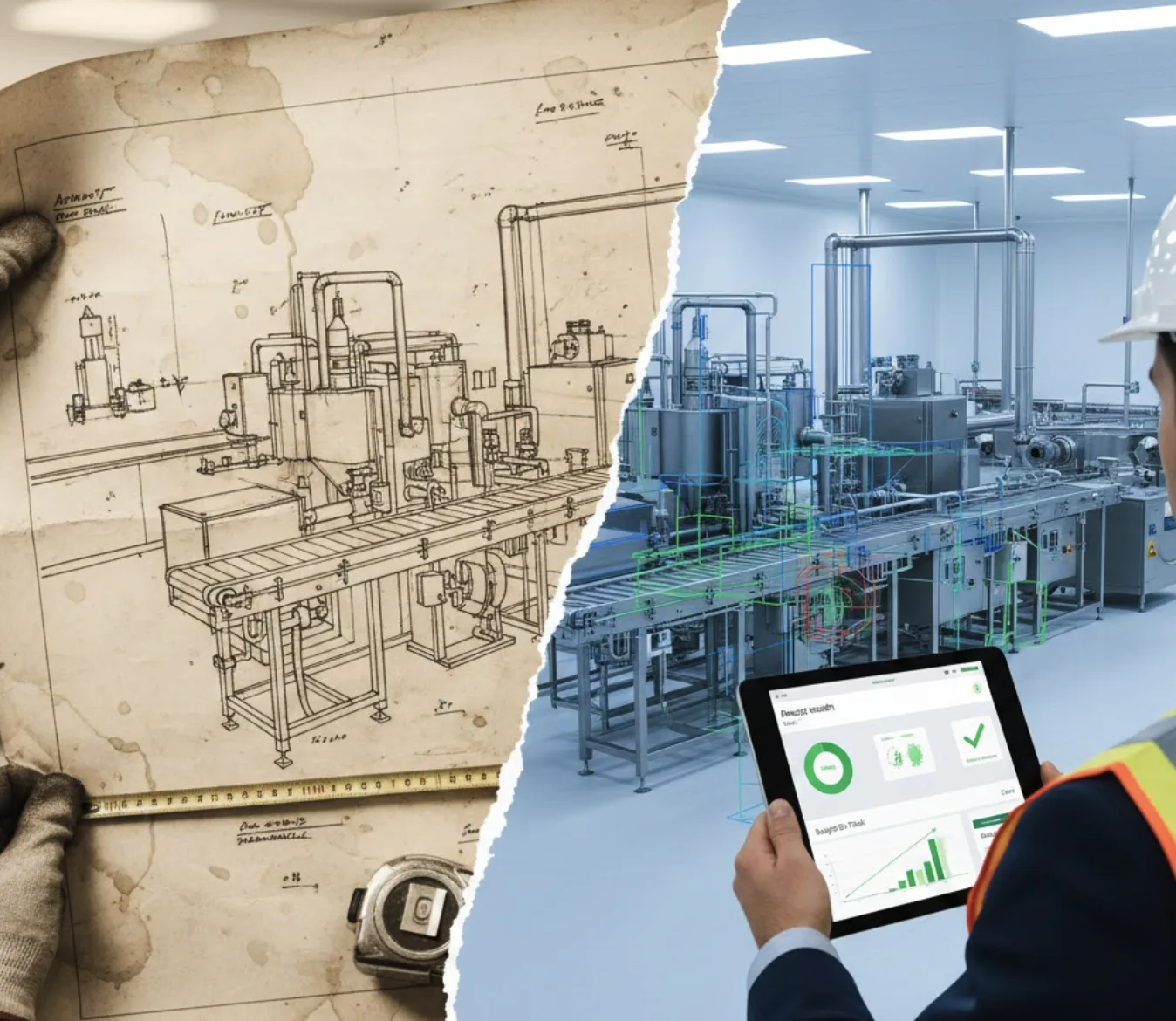
The single best cost control tool: accurate as-built documentation created before projects start. As-builts reveal existing infrastructure that new construction must integrate with. They identify conflicts early—before expensive field redesign.
A facility upgrade project with current as-builts can identify conflicts during design (low cost). Without as-builts, conflicts surface during construction (high cost).
Owner's Representation During Execution
Assign an owner's representative on-site during construction. This role:
- Approves change orders before implementation
- Documents scope changes
- Monitors contractor adherence to specifications
- Prevents "value engineering" that cuts quality
- Captures photo documentation of as-built conditions
Owner's rep cost: 2-3% of project budget. Value: prevents 10-15% cost overruns. ROI is obvious.
Monthly Cash Flow Forecasting
Monthly project meetings reviewing:
- Budget spent vs. budget forecast
- Actuals vs. project schedule
- Pending change orders
- Upcoming payment milestones
This discipline catches cost overruns when they're small ($10K problem in month 2) rather than large ($100K problem in month 6).
For food manufacturing companies, using structured project delivery and cost control disciplines prevents overruns that erode facility EBITDA contribution. Design-build with fixed-price contracts and owner's representation provides maximum cost protection.